

Stroke Treatment in Ahmedabad
Understand stroke
What happens in a stroke — step by step
A simple, step-by-step look at what happens in a stroke, the warning signs to act on, the main types of stroke and how it is treated.
Step 1 / 8
What is stroke
Types of stroke
Care
What it is
What is a stroke?
A stroke happens when blood flow to part of the brain stops, either because a blood vessel is blocked by a clot (ischaemic stroke) or because a blood vessel bursts (haemorrhagic stroke). Brain cells in that area begin to get damaged within minutes.
A "mini-stroke" (TIA) causes the same symptoms but they go away within minutes to hours. A TIA is an important warning sign and needs urgent medical attention.
Common types of stroke
-
Ischaemic stroke
A clot blocks a blood vessel to the brain. This is the most common type.
-
Haemorrhagic stroke
A blood vessel in the brain bursts and bleeds into the brain.
-
TIA (mini-stroke)
Symptoms go away within minutes to hours, but it is a warning sign that needs urgent attention.
Common symptoms
Signs you may notice
Symptoms differ from person to person. You may notice one or more of these.
- Sudden weakness or numbness of the face, arm or leg, usually on one side
- Face drooping on one side
- Slurred speech or difficulty understanding words
- Sudden loss of balance or difficulty walking
- Sudden blurred, double or lost vision
- Sudden severe headache with no known cause
- Sudden confusion
Not sure if this is what you have? Talk to Dr. Mehta
When to see a neurologist
When to book a consultation
Book a visit if
- 01After a stroke or TIA, for treatment to prevent another one
- 02For recovery and rehabilitation planning after hospital discharge
- 03If you have high blood pressure, diabetes or heart rhythm problems and want to lower your stroke risk
- 04If you have new weakness, numbness or speech trouble that has since gone away
- 05For review of blood-thinner or cholesterol medicines
Go to the nearest emergency now if you notice — BE FAST:
- B — Balance: sudden loss of balance
- E — Eyes: sudden loss of vision
- F — Face: one side of the face droops
- A — Arm: one arm or leg is weak
- S — Speech: slurred or strange speech
- T — Time: note the time and reach a stroke-ready hospital quickly
Causes and risk factors
Why it happens
Knowing the cause helps choose the right treatment and lower the chance of it happening again.
Risk factors you can control
- Blood pressure
- Sugar
- Cholesterol
- Tobacco
- Physical activity
- Weight
- Alcohol
Common causes and risk factors
- High blood pressure
- Diabetes
- High cholesterol
- Smoking and tobacco use
- Heart rhythm problems such as atrial fibrillation
- Previous stroke or TIA, or a family history of stroke
How it is diagnosed
Finding the cause
After the stroke, Dr. Mehta looks for the cause so that the right steps can be taken to prevent another one.
Bring to your first visit
It helps Dr. Mehta find the cause faster
- Previous reports, scans and prescriptions
- A list of the medicines you take now
- A phone video of the symptoms, if possible
- A family member who has seen the symptoms
History and examination
In an emergency, a brain scan is done as soon as possible to find the type of stroke, because treatment depends on it.
CT or MRI brain
Shows the type and area of stroke.
Heart tests
ECG, echo or Holter to check the heart as a source of clots.
Blood tests
Sugar, cholesterol and other risk factors.
How it is treated
Treatment and follow-up
Treatment is planned for each person and reviewed at every visit — step by step, with each option explained clearly.
Step 01
Emergency treatment
In suitable patients who reach hospital early, clot-dissolving treatment or a procedure to remove the clot may be possible. Time is critical.
Step 02
Preventing another stroke
Medicines such as blood thinners and cholesterol medicines, with control of blood pressure and sugar.
Reviewed at
every follow-up
Step 03
Rehabilitation
Physiotherapy, speech therapy and occupational therapy help with movement, speech and daily activities.
Step 04
Regular follow-up
Dr. Mehta reviews recovery, medicines and risk factors at each visit.
Never stop or change medicines on your own — ask Dr. Mehta first.
Book AppointmentRecovery and prevention
Recovery and prevention at home
-
Tip 01
Take medicines every day, even when you feel well
-
Tip 02
Check blood pressure and sugar regularly
-
Tip 03
Continue the exercises taught by your therapist
-
Tip 04
Stop smoking and tobacco completely
-
Tip 05
Make the home safe to prevent falls
In children
Stroke in children
Stroke is uncommon in children but can happen, sometimes even around birth. It may show as weakness of one side, fits or delayed milestones.
With an MD in Paediatrics and a DrNB in Neurology, Dr. Mehta sees children as well as adults, and guides parents through tests, treatment and school life.
Get your child checked if you notice
- Weakness of one side of the body
- Fits
- Delayed milestones
Where to consult
Consult in Ahmedabad or online
Three clinics in Ahmedabad, visiting clinics on fixed days, or consult by video from home. All clinics
-
Ahmedabad · Naranpura
Solar Hospital
Binali-B, Opp. Torrent Power Office, Naranpura, Ahmedabad – 380013
-
Ahmedabad · Navrangpura
Aartham Multi Super Speciality Hospital
16, Dr Vikram Sarabhai Marg, near Panjarapole Cross Road, L Colony, Ambawadi, Ahmedabad – 380015
-
Ahmedabad · Bopal
Lilavati Clinic & Wellness
Shaligram Corporates, B/h Dishman Corporate House, C.J. Road, Ambli, Ahmedabad – 380058
-
From home · Anywhere
Online / Video Consultation
Useful for follow-up visits and report reviews.
FAQ
Questions about stroke
Take the person to the nearest hospital that can treat stroke immediately. Note the time the symptoms started. Do not wait for symptoms to go away.
Recovery is different for each person. Many people regain some or much of their ability over weeks to months with treatment and rehabilitation.
Yes, the risk is higher after a first stroke or TIA. Taking medicines regularly and controlling blood pressure, sugar and cholesterol helps reduce this risk.
Yes. Even if symptoms go away, a TIA is a warning that a stroke may follow. It should be checked urgently.
Yes. Dr. Mehta plans and reviews recovery and works with physiotherapy and speech therapy as needed.
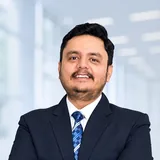
Dr. Rohan Mehta
Consultant Neurologist · Adult & Child
Appointments
Book an appointment
Send your request in under a minute. The clinic team will call you back to confirm the date and time.